The days when a single standard wall tie was sufficient for every project are long behind us. Due to the increasing variety in inner and outer leaves—as well as the growing thickness of insulation—the need for specific, high‑quality systems is greater than ever. At GB, we respond to this with a broad and advanced range of wall ties that aligns with the realities on today’s construction sites.

According to Arjan van Termeij, Project Leader for Technology & Development, the direction is clear: “Every structure requires a wall tie that is precisely matched to the conditions. That is the only way to ensure quality, safety, and sustainability”.
Spouwankers

A complete range for every inner–outer leaf combination

GB now offers twelve different cavity wall tie systems, each tailored to the wide variety of possible combinations of inner and outer leaves. The inner leaf may consist of:

  • Concrete
  • Calcium silicate units
  • Hollow clay masonry units
  • Autoclaved aerated concrete (AAC)
  • Traditional masonry

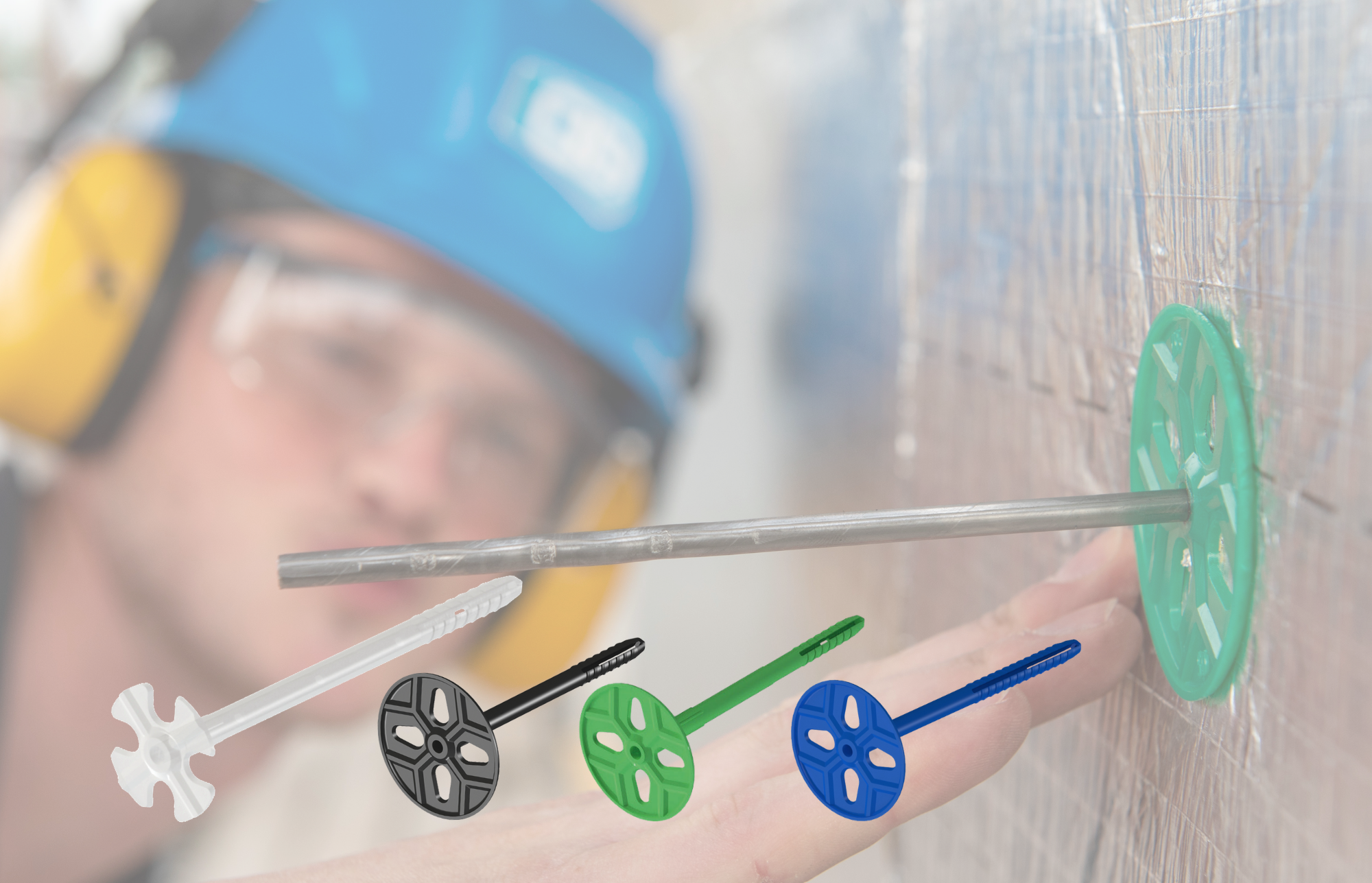
At the same time, we are seeing a clear trend: demand for insulation plugs is increasing rapidly. Systems such as the UNI‑Flexplug, UNI‑Perfoplug, Flex 5 Plug and UNI‑Flex Ecoplug are becoming increasingly popular. These fixings are composed of a nylon expansion plug combined with a stainless‑steel cavity wall tie—both materials compliant with the applicable Eurocode requirements, from which no deviations are permitted.

Assortiment spouwankers

Post‑installation: precise, efficient and site‑friendly

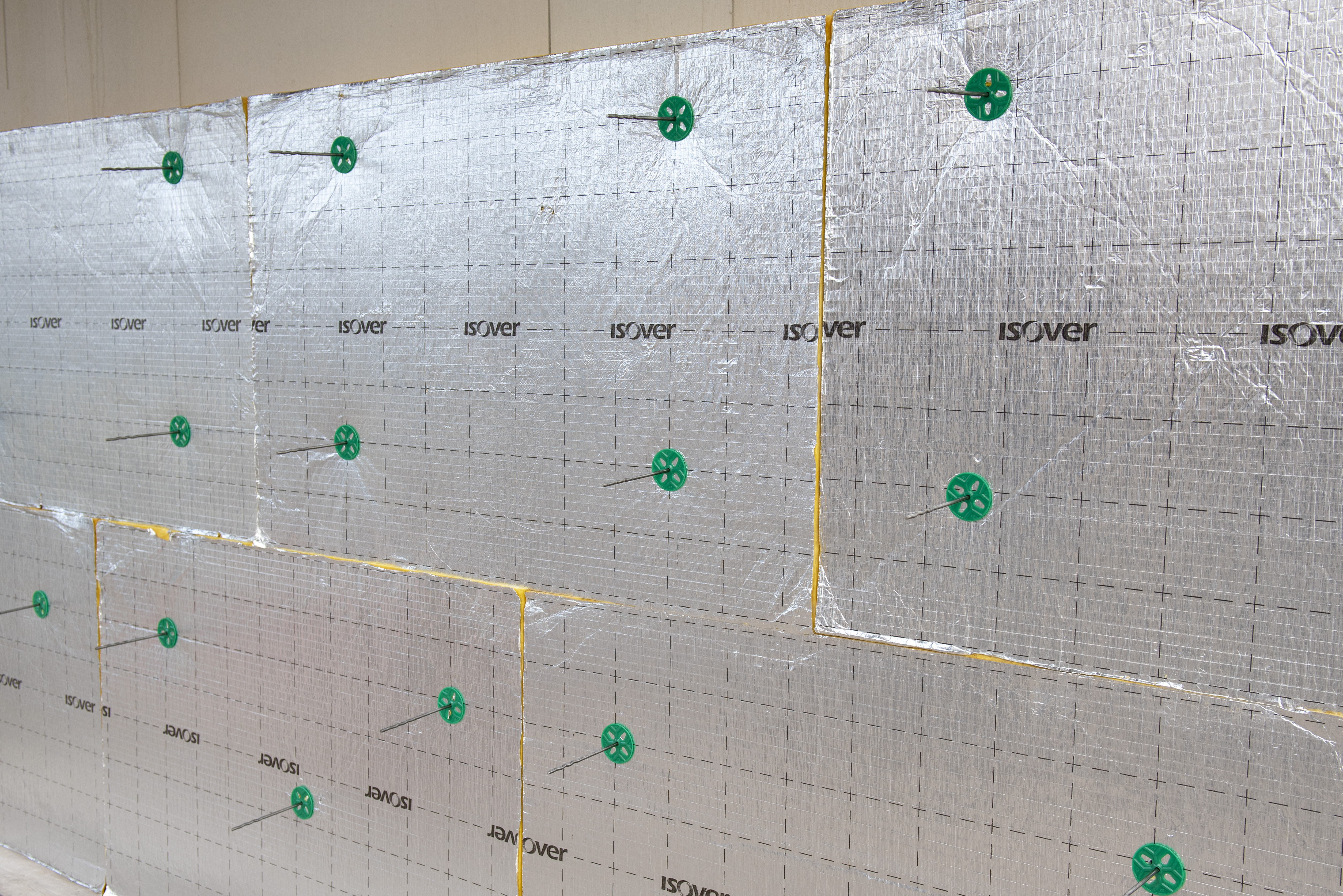
A key advantage of these insulation plugs is that they are installed post‑construction. Unlike pin anchors, they are not built into or bonded to the inner leaf during masonry work. The plugs are only installed once the insulation is placed, at which point they immediately serve as a secure fixing.

This approach offers several benefits:

  • The insulation is pressed firmly into place, eliminating the risk of unintended air gaps.
  • The exact positioning of the cavity wall ties can be determined with greater accuracy.
  • Bricklayers work more efficiently, as anchors are installed only when they are actually required.

For extreme insulation thicknesses — up to 320 mm — a special driving tool has been developed, allowing longer anchors to be installed without bending or misalignment.

A tailored anchor: length and positioning are critical

The length of the stainless‑steel cavity wall tie depends on three key factors:

  • The length of the nylon plug
  • The width of the cavity
  • The required embedment depth into the outer leaf

GB supplies all variants directly from stock. This is essential, as incorrect lengths or quantities can cause stresses in the masonry and lead to a less stable outer leaf.

Arjan van Termeij emphasises:
“Correct anchoring is essential for a durable façade. The right anchor length and position determine not only the structural integrity of the wall but also help prevent long‑term damage".

Practical support: wall ties integrated into the online GB Advice Tool

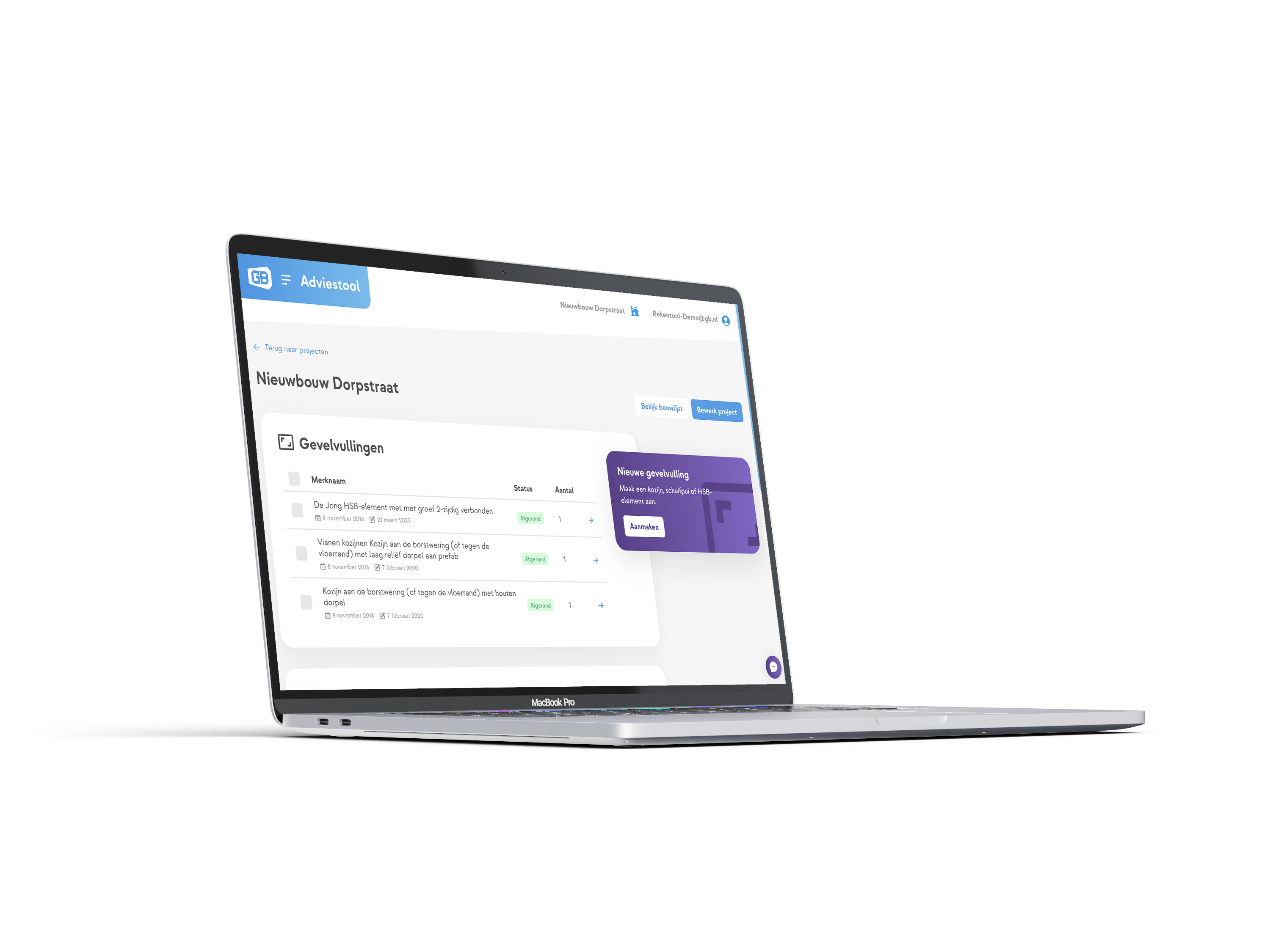
To provide installers with optimal on‑site support, GB is integrating cavity wall ties into the online GB Advice Tool. This tool already enables users to select window‑frame fixings and element connections, and will soon also include the appropriate cavity wall tie solutions. This helps insulation contractors and masonry crews to quickly and accurately determine the correct specification, reducing the risk of errors during installation.

Following an extensive development process — including all required certifications such as CE — the GB Flexplug and the related systems have been fully optimised to meet current construction‑site requirements and modern façade performance standards.

GB Adviestool